
Branding is who you are: your identity, your positioning, and the impression you leave in people’s minds. Marketing is how you reach people: the campaigns, channels and activity that put you in front of your audience and encourage them to act. You can have one without the other, but you shouldn’t. Branding without marketing goes unseen. Marketing without branding is quickly forgotten. To reach your potential, you need both, working in proportion.
That’s the short answer. The longer answer is, I think, best explained with a short analogy; the sail and the wind.
The sail and the wind
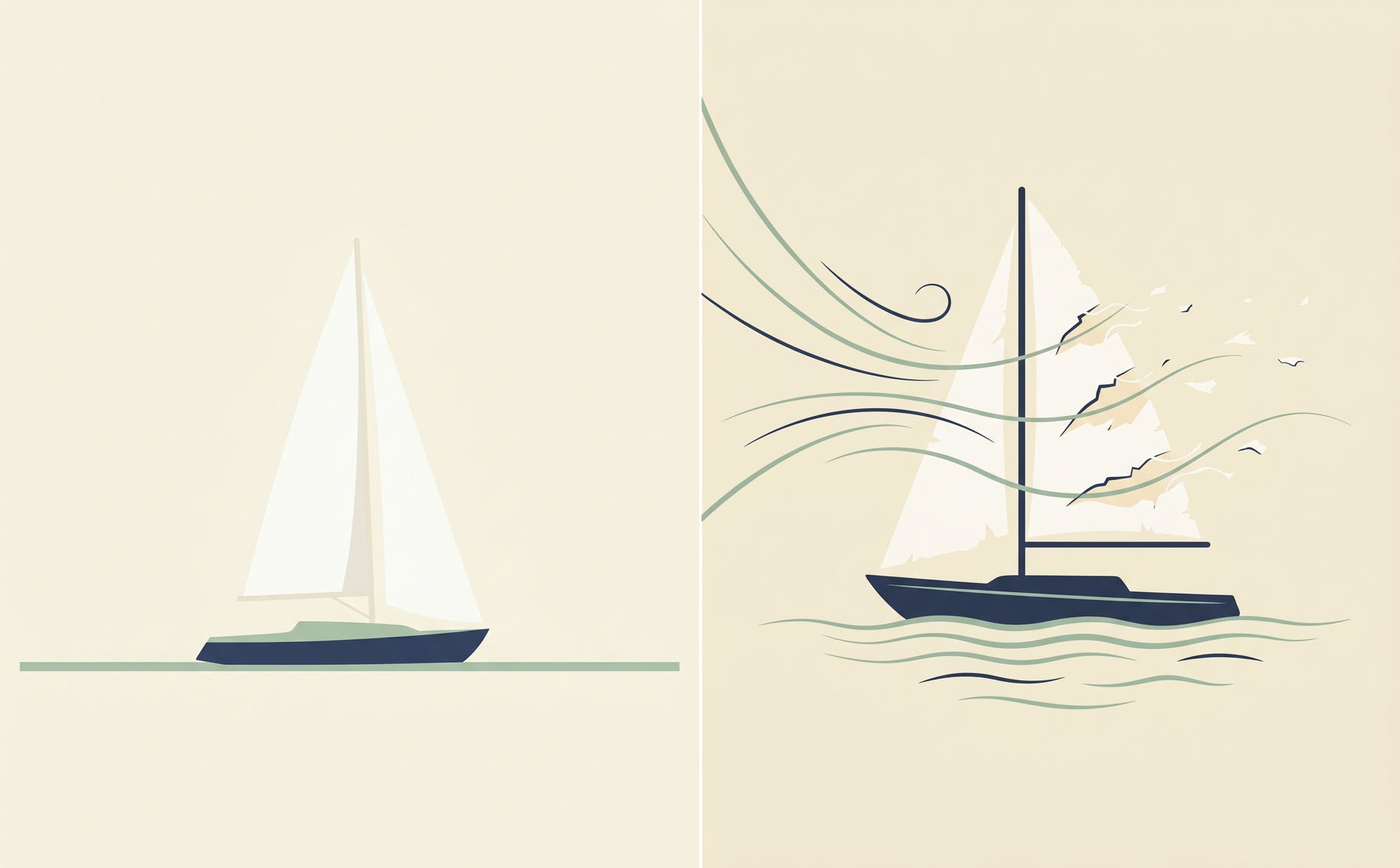
Picture a yacht. The sail is your branding: designed once, designed well, and built to last. The wind is your marketing: the ongoing force you generate, gust by gust, campaign by campaign, to push the boat forward.
And the motion of the boat? That’s results. For one brand, motion means sales. For another, it’s enquiries, bookings, donations, applications or sign-ups. Every business defines movement differently, but every business wants to move.
Here’s the part that matters: neither the sail nor the wind moves the boat on its own. The most beautifully cut sail in the world sits motionless in still air. And the strongest gale achieves nothing useful against a sail that’s torn, badly shaped, or missing altogether. The energy is there; it simply passes through.
When both are working, though, something rather satisfying happens. A well-made sail converts every gust into motion efficiently. Less wind is wasted. The same effort takes you further.
What is branding?
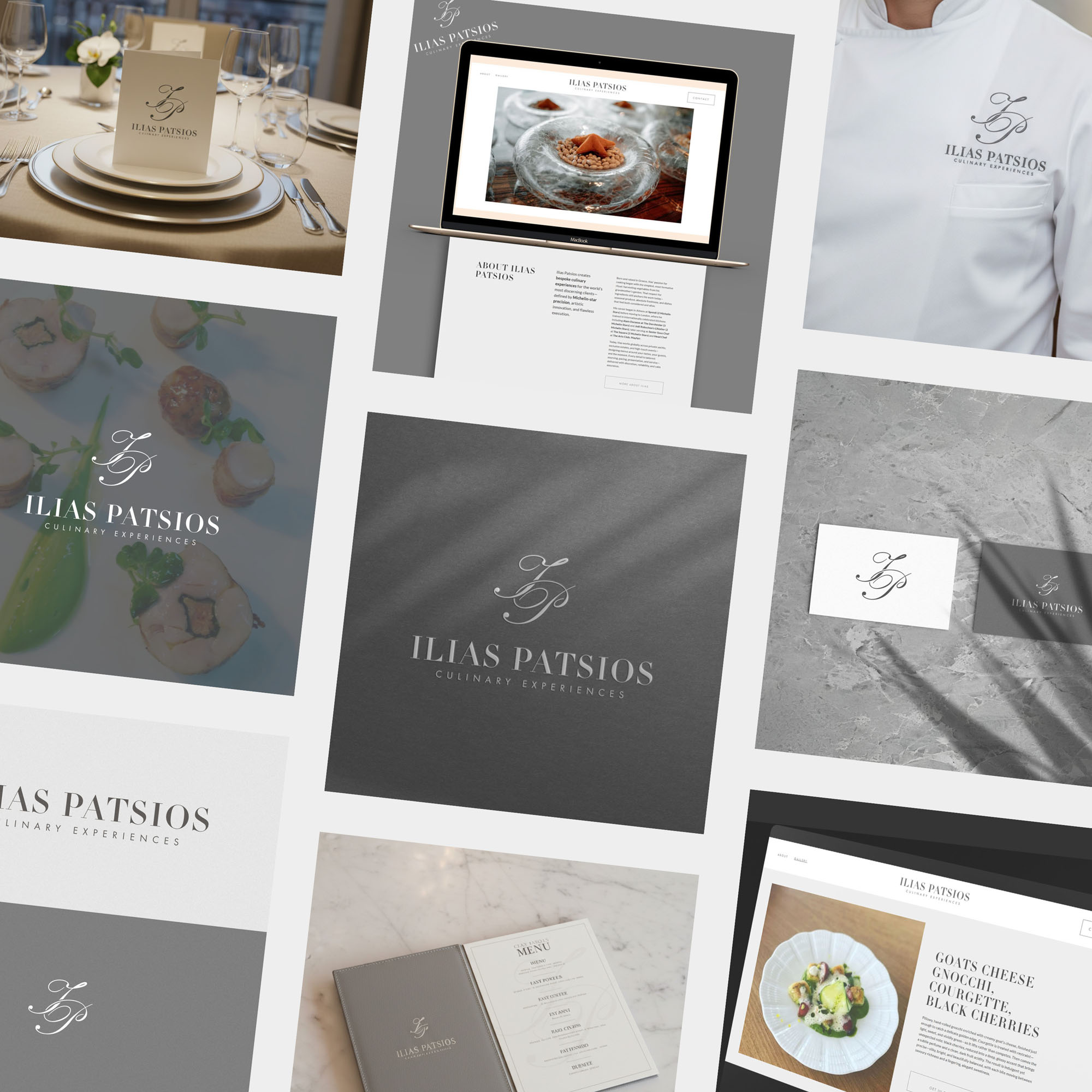
Branding is the deliberate shaping of how your business is perceived. It covers your positioning (where you sit in the market and in your customers’ minds), your identity (the logo, typography, colour and imagery that make you recognisable), and your voice (how you sound when you speak to people).
A common misconception is that branding is simply a logo. The logo is one component, the most visible stitch in the sail, but branding is the whole canvas: what you stand for, who you serve, why you’re the right choice for them, and the consistent impression all of that creates over time.
Good branding is largely a one-time investment that you then maintain and protect. Like a sail, it isn’t rebuilt every week. It’s designed carefully, made from quality materials, and trusted to perform for years.
What is marketing?
Marketing is the activity that carries your brand to your audience. Advertising, content, social media, email, SEO, events, partnerships, PR: these are all wind. Marketing is ongoing, variable and responsive. It shifts with seasons, trends and opportunities. One month you might invest in a campaign, the next in search visibility, the next in a piece of content exactly like the one you’re reading now.
Where branding is the considered, long-term foundation, marketing is energy applied continuously. Stop generating wind and, sooner or later, the boat slows.
Can you have branding without marketing?
You can, and it’s a quietly painful thing to watch. A business with a thoughtful identity, clear positioning and a genuinely strong offer, sitting becalmed because nobody is creating any movement towards it. The sail is immaculate; the water is glass.
Some businesses get away with this for a while through word of mouth or an existing network, and in fairness, strong branding makes word of mouth far more effective, because people can describe and recommend you easily. But relying on it alone means surrendering control of your growth to chance breezes.
Can you have marketing without branding?
Also yes, and this version is more common, and more expensive. A business pours budget into advertising and content, generating plenty of wind, while the brand itself is inconsistent, unclear or indistinguishable from competitors. The torn sail.
The campaigns get seen, perhaps even clicked, but little of that energy converts into lasting motion. Worse, the wind is unrepeatable; once a campaign ends, its effect ends with it, because nothing memorable was left behind in people’s minds. Strong branding is what makes marketing compound. Each gust doesn’t just move the boat; it builds recognition that makes the next gust more effective.
Which comes first, branding or marketing?
The sail goes up before you whistle for wind. Branding first, because marketing needs something coherent to communicate. Every campaign asks the same underlying questions: who are we, what do we promise, how should this look and sound? If the brand answers those questions clearly, marketing becomes faster, cheaper and more consistent. If it doesn’t, every campaign reinvents the wheel, and usually a slightly different wheel each time.
That said, “first” doesn’t mean “finished forever”. Brands evolve as businesses grow, and where you position yourself deserves real thought before any identity work begins. I’ve written separately about the positioning ladder, from economical through to luxury, and deciding where you sit on it shapes everything that follows.
How much should you invest in each?
Proportionately. This is the mistake I see most often: businesses that pour everything into one and starve the other. A lavish rebrand with no promotion budget left over. Or relentless advertising spend wrapped around an identity that was knocked together in an afternoon.
There’s no universal ratio, and the right balance shifts with the stage of the business. A new venture usually needs to invest in the sail first, then commit to generating consistent wind. An established business with strong marketing momentum but a dated or muddled identity will often find that fixing the sail is the single highest-leverage investment available, because it improves the return on every pound of marketing spend that follows.
The principle is simply this: don’t blow the budget on one and hope the other takes care of itself. The boat needs both.
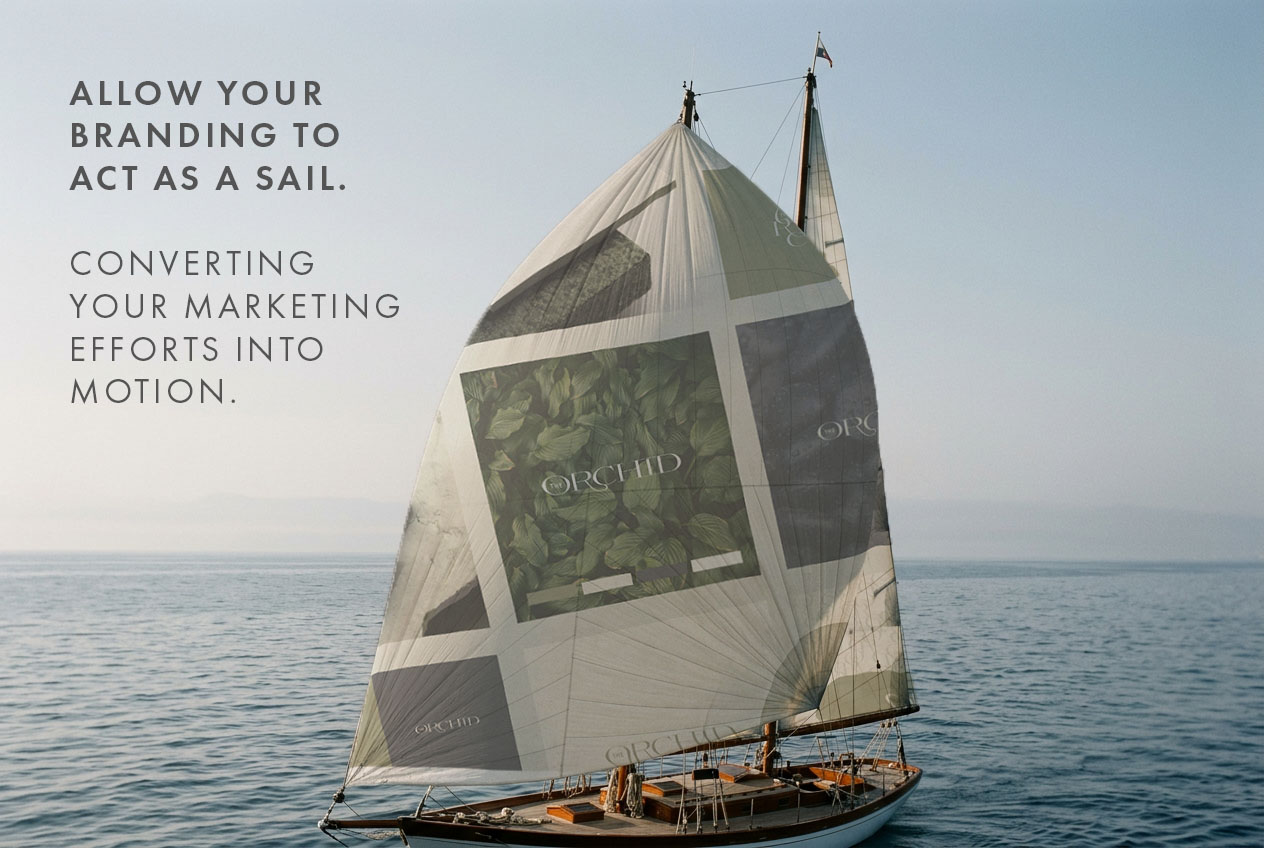
What this looks like in practice
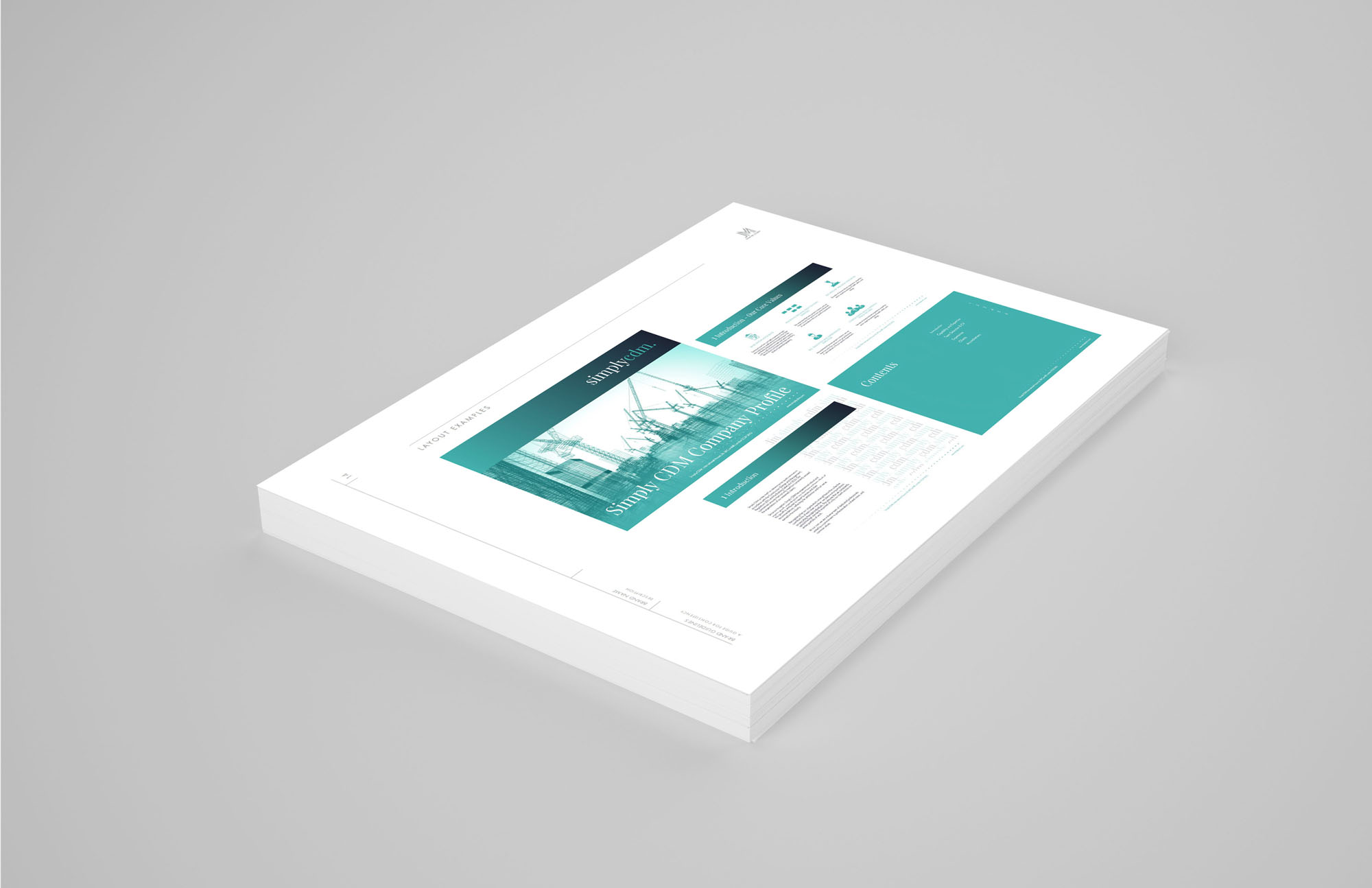
In my own work with premium and high-end businesses, the sail tends to be where I’m called in: brand identity, positioning, and websites designed to convert the attention that marketing earns. And the pattern I see repeatedly is that businesses with a strong, considered brand get dramatically more from their marketing, whoever runs it. Their campaigns look credible. Their websites turn visits into enquiries. Their name is remembered between touchpoints.
That’s the quiet power of a well-made sail. It doesn’t replace the wind. It makes the wind worth generating.
If you suspect your sail isn’t doing your wind justice, you’re welcome to browse my portfolio or get in touch for a conversation about your brand. And if it’s the wind you’re missing, invest in good marketing; just make sure it has something worth driving traffic toward!